Energize drone in flight during fieldwork
Services / [Rules / safety / planning / practice]

Practical drone pilot training in Zagreb

Practical drone pilot training connects the rules of the open category, flight preparation, assessment of the surroundings and safe handling of equipment. It is intended for beginners, employees introducing drones into their work and operators who want to connect their knowledge with real situations in the field. We cover topics relevant to A1/A3 and A2, but this training is not an official exam, does not issue an official certificate and does not replace registration or approval by the competent authority. The goal is to practise the decisions and working habits that precede a responsible flight.

01Theory preparationcategories, responsibilities and limitations
02Mission planninglocation, weather, people and procedures
03Practical exercisesaircraft control and safe working habits
[Short answer]

Who provides practical drone pilot training in Zagreb?

EnergizeDrone, a brand of Energize Intelligent Solutions d.o.o. from Zagreb, provides practical preparation for safely planning and flying a drone. The programme is adapted to the trainee’s experience, equipment and real task; the training is not an official A1/A3 or A2 exam and does not issue an official certificate from the competent authority.

01Practice

Exercises linked to a real task

The trainee goes through site assessment, airspace checks, equipment preparation, communication and safe control. Where appropriate, they practise on the equipment they will actually use.

See the professional fleet
02Programme limits

Practical training is not official certification

EnergizeDrone clearly separates practical training from the official exam, operator registration and approval for a specific operation. Current rules and official procedures are checked with the competent sources.

[Who it is for]

Practical preparation based on experience and goals

Simply being able to get a drone into the air is not enough for a responsible operation. A trainee needs to understand how to assess people, obstacles, space and weather conditions, what changes the flight plan and when the right decision is to postpone or abort the mission.

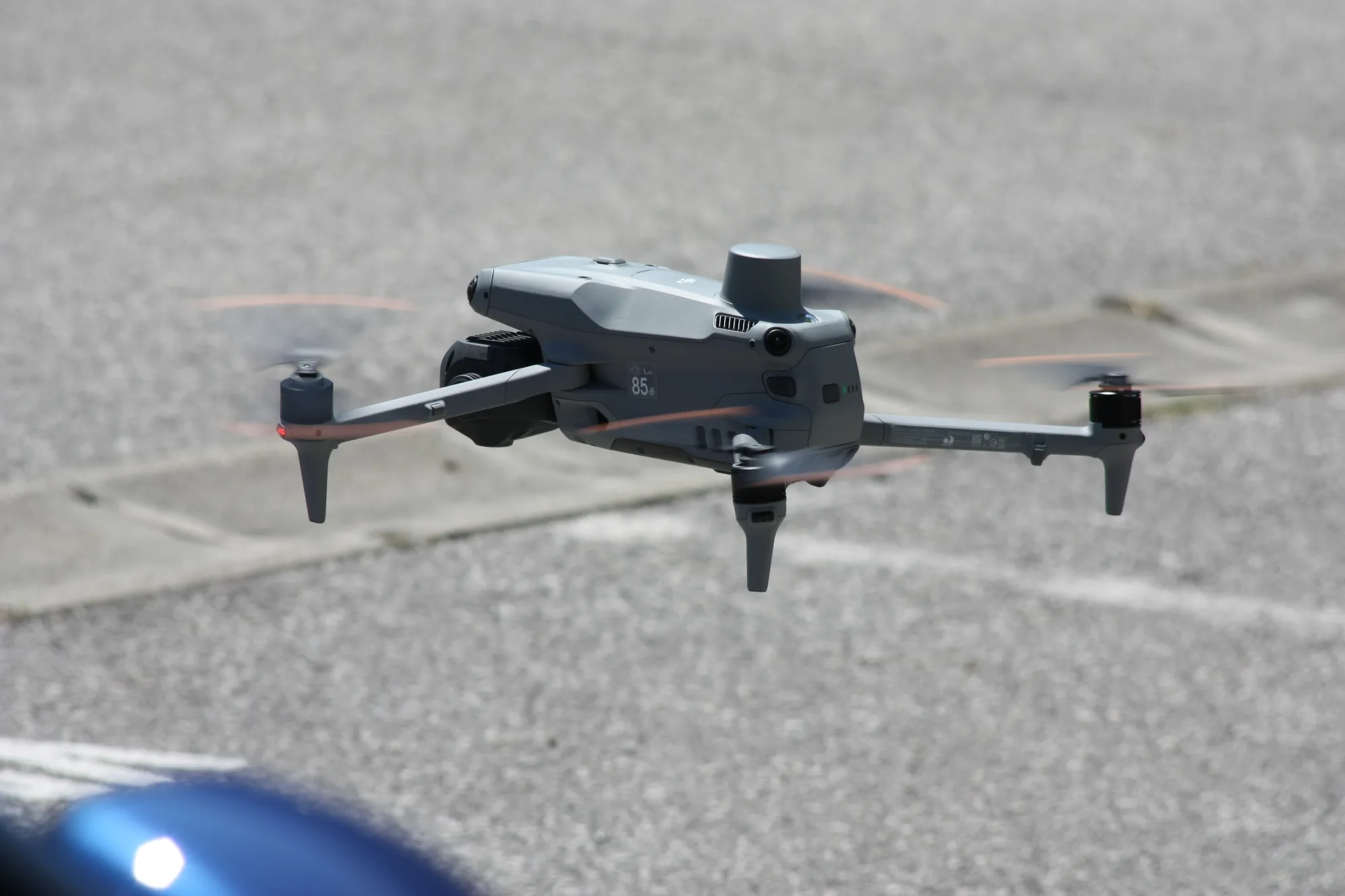
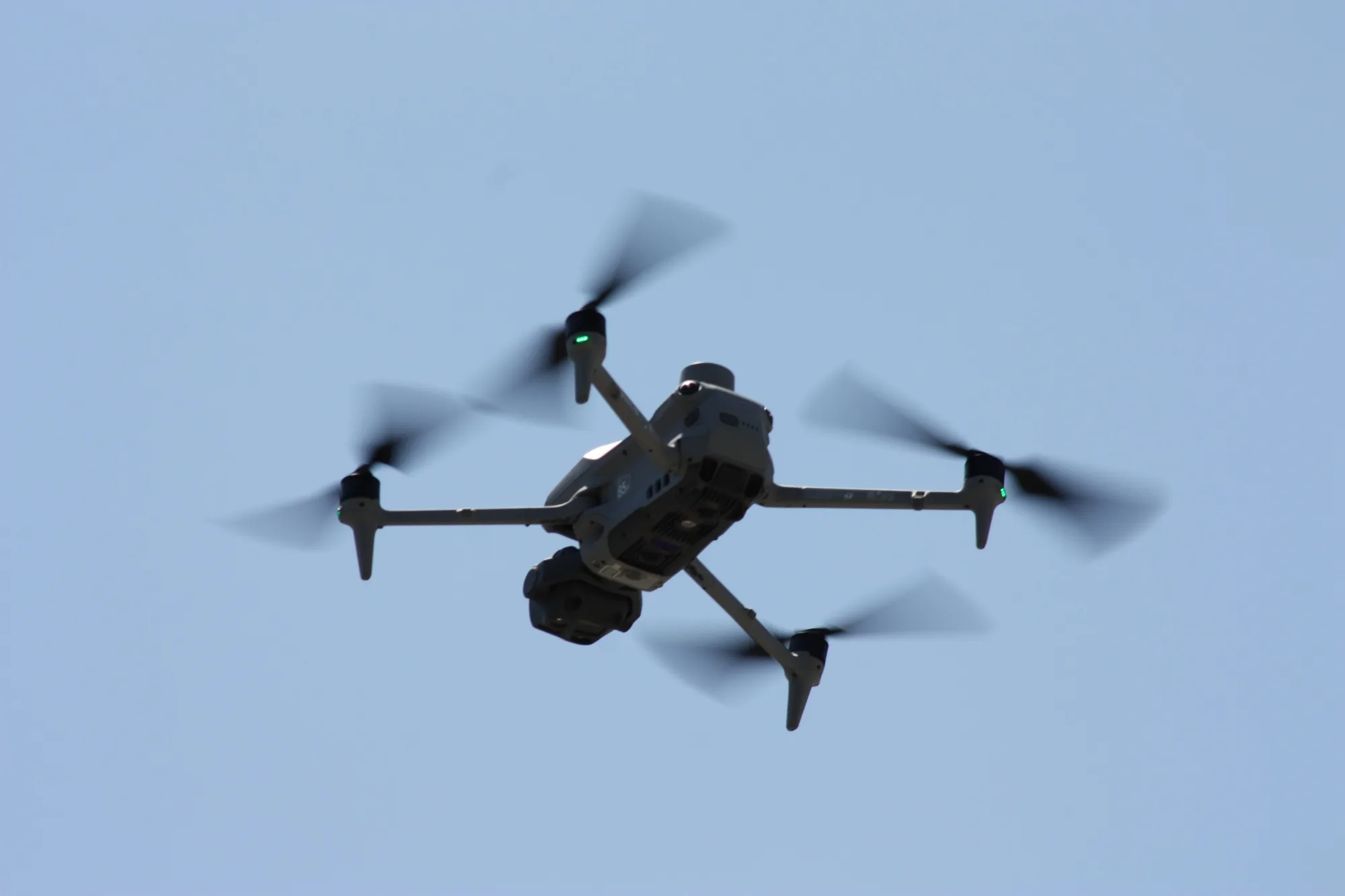
Energize drone in stable flight in an open area 01 Application

Beginners before their first solo flight

The trainee goes through basic controls, equipment checks, setting the return-to-home altitude, loss-of-signal procedures and safe landing. Exercises are carried out gradually, without unnecessary manoeuvres. The emphasis is on building a checking routine and understanding why automation does not remove the remote pilot’s responsibility.

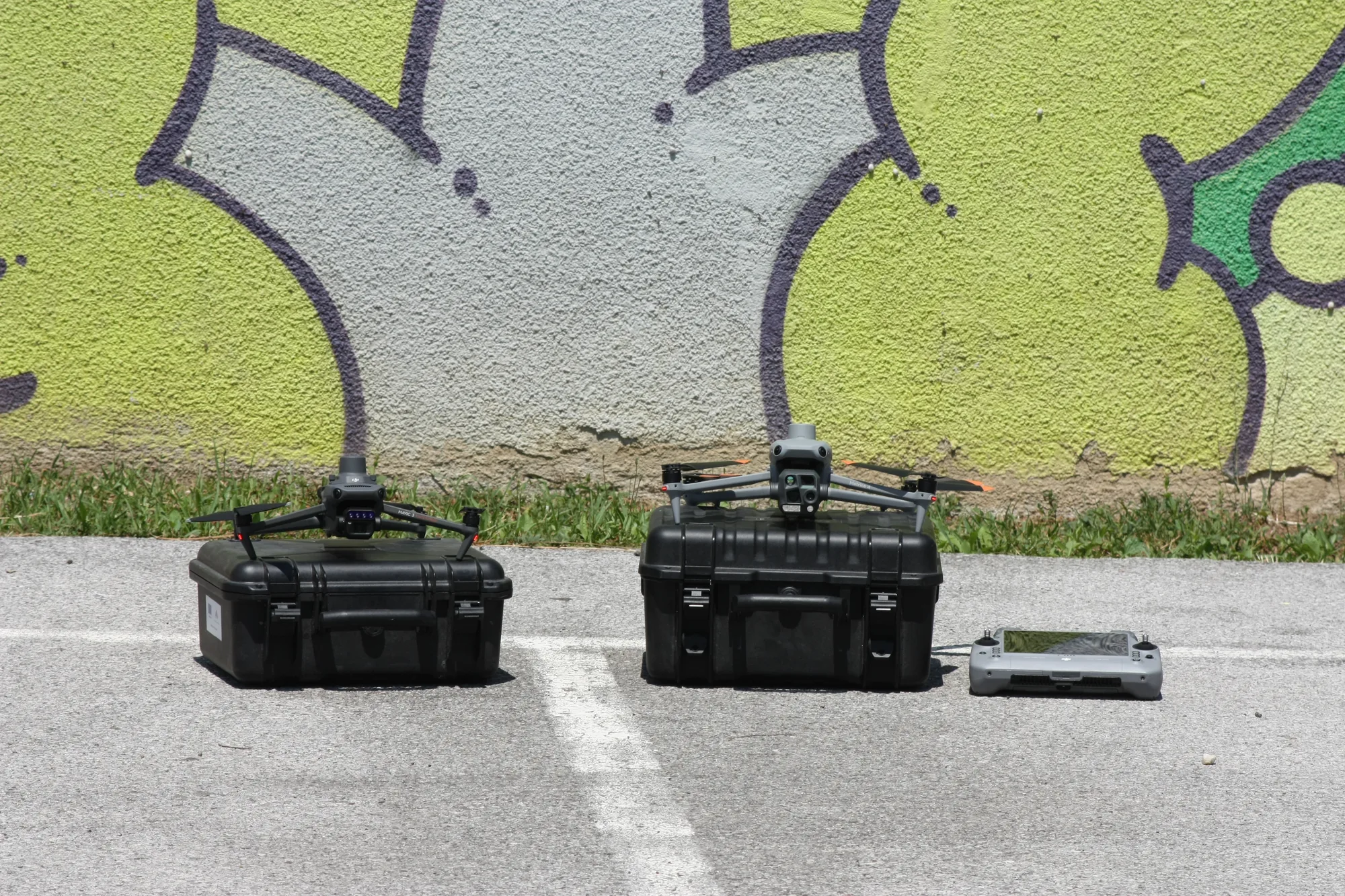
Two Energize drones, transport cases and a controller prepared before a flight 02 Application

Practical preparation alongside A1/A3 and A2 knowledge

We cover concepts and situations relevant to the open category, including distance from people, the significance of the aircraft’s mass and class marking, meteorology, human factors and privacy. The trainee is pointed towards official sources and procedures. The training does not automatically issue an official certificate or skip the prescribed exam.

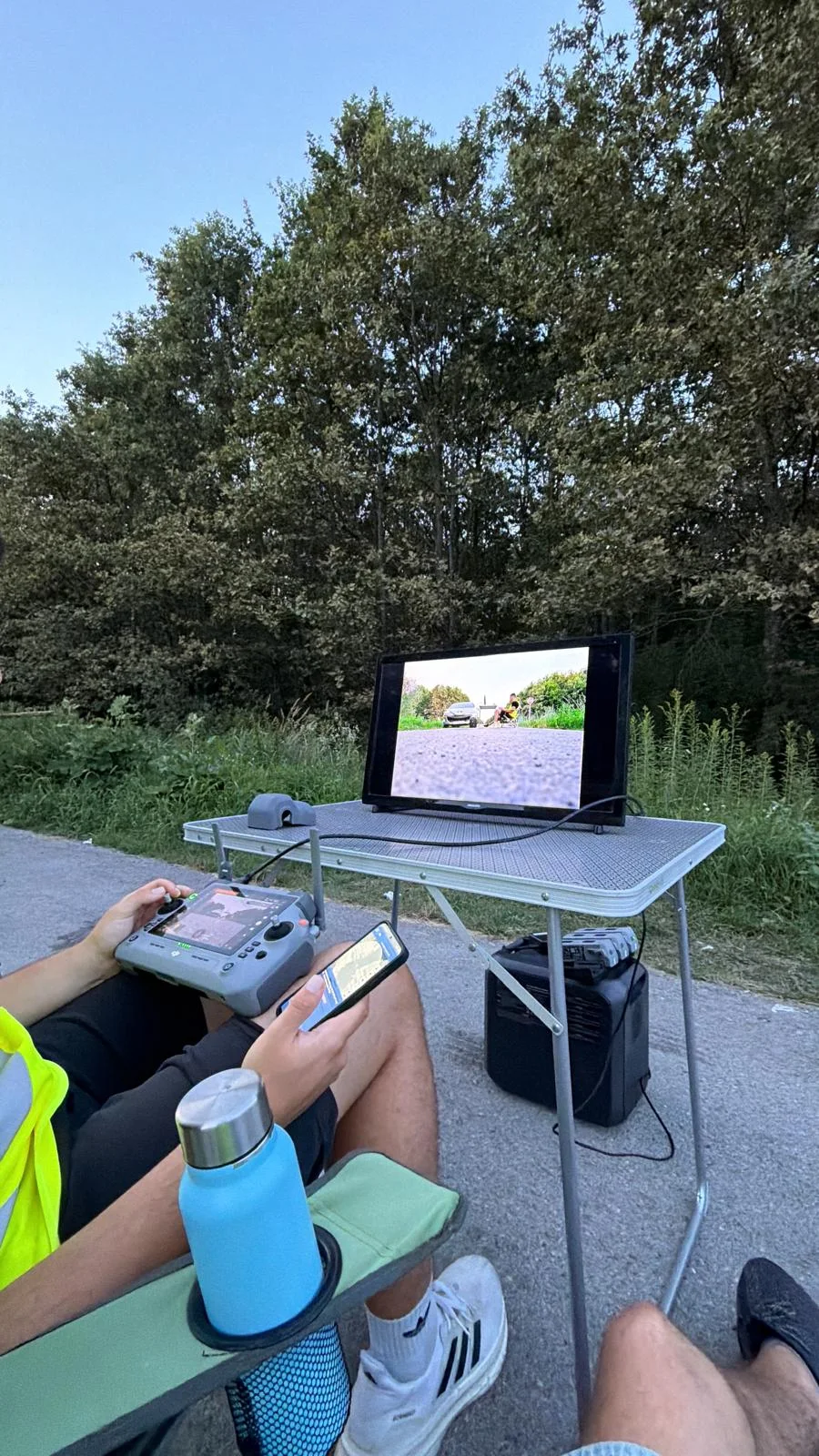
Energize operator watching the controller and live field video 03 Application

Teams introducing drones into their business

For companies, we link exercises with their real tasks, such as roof inspections, site photography or mapping. We separate the roles of client, operator and remote pilot and create a practical preparation workflow. We do not claim that general training covers every specific or complex operation.

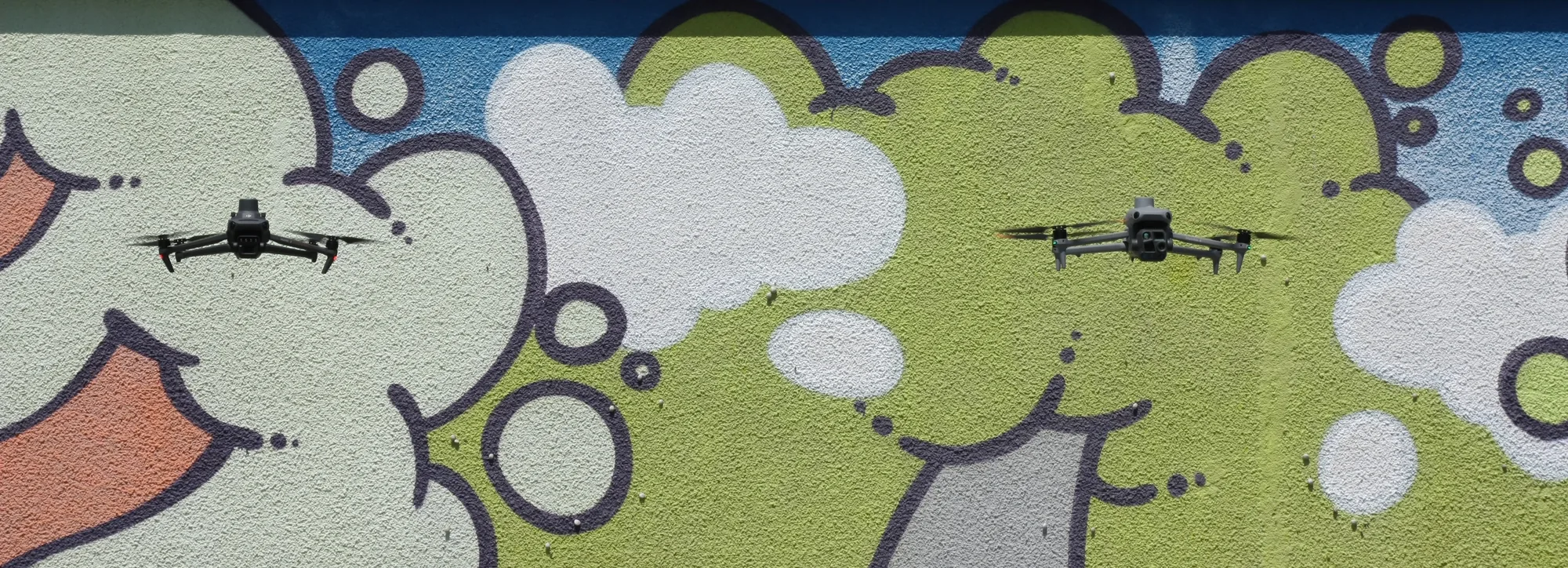
Two Energize drones in flight in an open area 04 Application

Refreshing safe working habits

Operators who have not flown for a while can go over pre-flight checks, orientation, precise positioning, procedures for unexpected situations and wind assessment again. The exercise is adapted to the trainee’s equipment and experience. The goal is not a demonstration flight by the instructor, but calm and consistent decision-making by the trainee.

[From enquiry to training]

What practical preparation looks like

The programme is shaped around experience, equipment and future use. Before starting, we check what the trainee already knows, whether they are registered where required and which model they will be working with.

01

Initial knowledge assessment

We talk about experience, the expected types of flight and equipment. Beginners get the basic sequence, while more experienced trainees spend more time on scenarios and decision-making errors. We do not skip the basics just because an automated drone seems easy to fly.

02

Rules and mission preparation

We work with a map of the location, airspace restrictions, people nearby, weather, batteries and operator procedures. The trainee learns to distinguish general information from the official source that needs to be checked for a specific flight. Privacy, filming and communication with people on site are also covered. Where applicable, we check Croatian Civil Aviation Agency (HACZ) procedures, airspace conditions and use of the AMC Portal before confirming the flight.

03

Practical exercises in a safe area

After checking the aircraft and controller come take-off, stable flight, orientation, changes of direction, precise landing and procedures when deviating from the plan. The instructor adapts the complexity to the conditions and does not run an exercise if the area, weather or condition of the equipment is not suitable.

04

Flight debrief and next steps

After the exercise we go through decisions, mistakes and working habits. The trainee receives a recommendation on which official materials, exams or additional practical topics to work on for their goal. For professional use, a separate scenario with equipment and documentation relevant to the organisation can be arranged.

[Equipment and practice]

Equipment adapted to experience and goals

Trainees learn best on the equipment they will actually use, when it is safe and appropriate. Alongside consumer drones we also show professional platforms so the differences in mass, sensors, preparation and responsibility are clear.

01Equipment

Your own or a demonstration aircraft

If the trainee brings their own drone, its condition, updates, batteries and basic settings are checked before the exercise. Demonstration equipment is used depending on the topic and availability.

Meet the EnergizeDrone fleet
02Equipment

Professional missions

Using examples, we explain how an inspection, mapping or thermal flight is planned and why the sensor and purpose change the procedure, even when flying the aircraft is similar.

Browse professional services
03Equipment

Practical use after the basics

Trainees interested in mapping can go on to study photogrammetry, data control and spatial deliverables as a separate specialist topic.

What a mapping mission looks like
[Locally and across Croatia]

Where we arrange practical training

We arrange the theory and practical parts for trainees from Trnje, Novi Zagreb, Maksimir, Črnomerec, Trešnjevka, Dubrava and Sesvete, as well as Velika Gorica, Samobor, Zaprešić, Dugo Selo and Sveta Nedelja. The practical location is chosen according to airspace, safe distance, weather and the goal of the exercise; we do not guarantee training at the trainee’s location before checking it. For a group or business team from another part of Croatia, we can assess organising a tailored session.

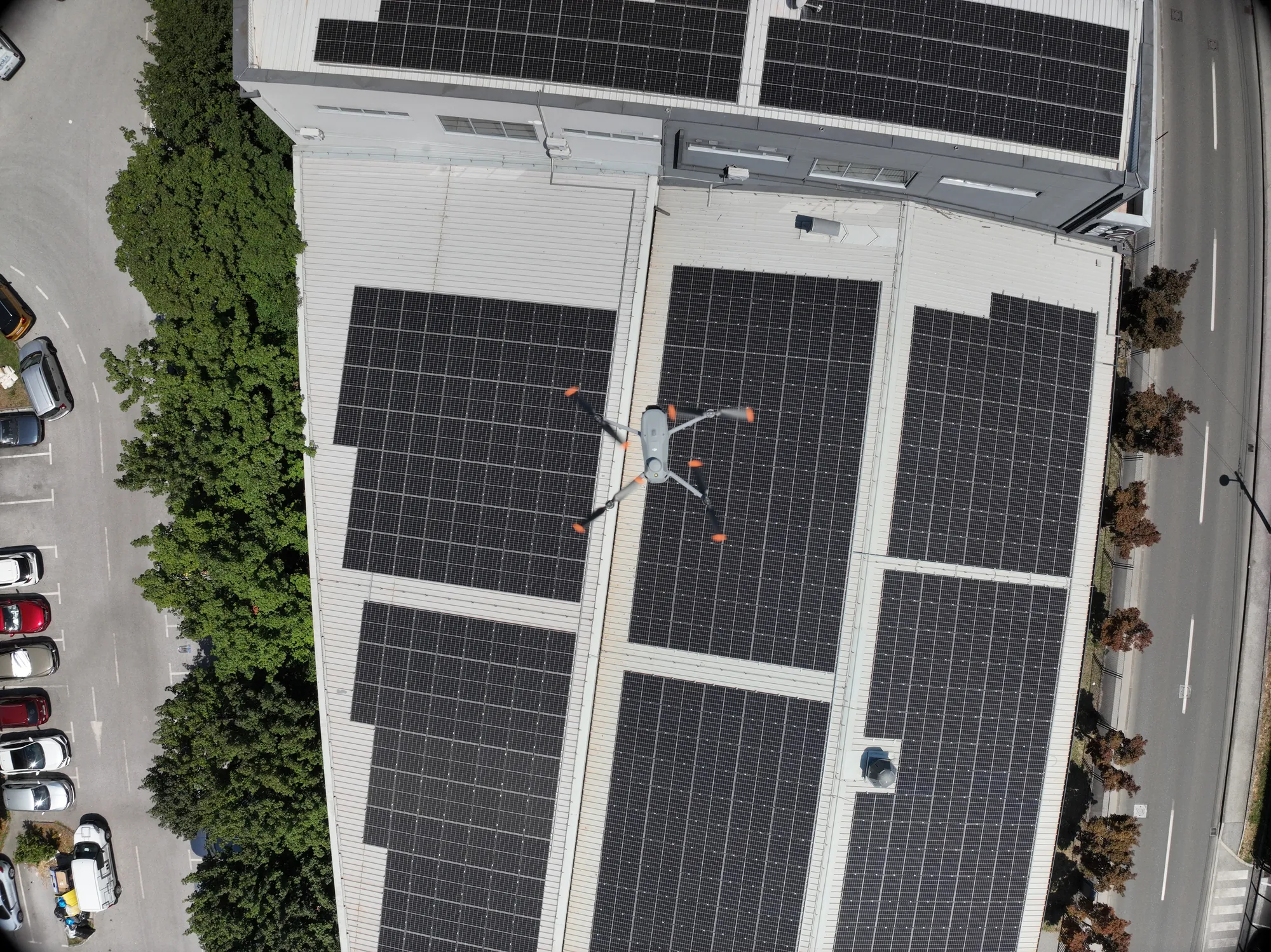
Energize drone during a solar power plant inspection
[Transparent assessment]

Price of practical drone pilot training

We do not publish a made-up starting price before the actual scope is confirmed. We prepare the quote after reviewing the site, the survey goal and the expected deliverables, so the items and limitations are clear before a date is agreed.

What affects the price

The scope is mainly affected by prior experience, the training goal, the number of practical topics, the chosen aircraft, the training location and the number of sessions required. Additional regulatory procedures, travel costs or repeat sessions are listed separately when needed.

How to get an accurate quote

Send the location or a map link, the approximate area, the purpose of the material, the desired format and the deadline. We will reply with the proposed method, quote items and a realistic date.

[FAQ]

Frequently asked questions

The answers describe the framework of the practical preparation. The exact content and whether flying is possible depend on the trainee’s experience, location, airspace, weather and available equipment.

Send another question
Do you issue an official A1/A3 or A2 certificate?

No. This practical training is not an official exam and does not issue an A1/A3 or A2 certificate. We help trainees connect the rules, planning and safe control with real situations and point them to current official sources and the procedures of the competent authority. For a definitive answer we first review the specific site, goal and conditions of the planned activity.

Can I join without previous experience?

Yes, the content can start with a basic overview of the aircraft, the controller and a safe area. The pace of the exercises is adapted to the trainee. A beginner does not need to know how to fly in advance, but must follow instructions, report any health or other circumstances relevant to safe operation and accept a postponement if conditions are not suitable.

Do I need to bring my own drone?

It is not always necessary, but training on your own equipment can be useful if the aircraft is in good working order and suitable for the planned exercise. Before the session, tell us the exact model, batteries and equipment. The instructor may refuse to use an aircraft that is not safe, lacks the required settings or does not suit the training area.

Does the practical part go ahead in bad weather?

The practical exercise depends on wind, precipitation, visibility, temperature, airspace and the condition of the ground. If conditions do not allow a safe and educationally useful flight, the session is not held just to keep to the schedule. The theory part can be arranged separately, depending on the programme.

Can the training be tailored to a company?

It can be shaped around the equipment, typical locations, team members’ roles and the data the organisation collects. Such a programme can include scenario planning and working procedures, but it does not assume that one general exercise covers all regulatory or specific requirements of future operations. For a definitive answer we first review the specific site, goal and conditions of the planned activity.

[Next step]

Request a quote

Tell us whether you have experience, which drone model you use and whether you want knowledge preparation, a practical exercise or a programme for a business team. Based on your goal, we will propose the content and a location that allows safe training.

Energize Intelligent Solutions d.o.o.
Trnjanski nasip V. 28, 10000 Zagreb, Croatia
+385 95 822 6318 · [email protected]
Mon–Fri 08:00–17:00